
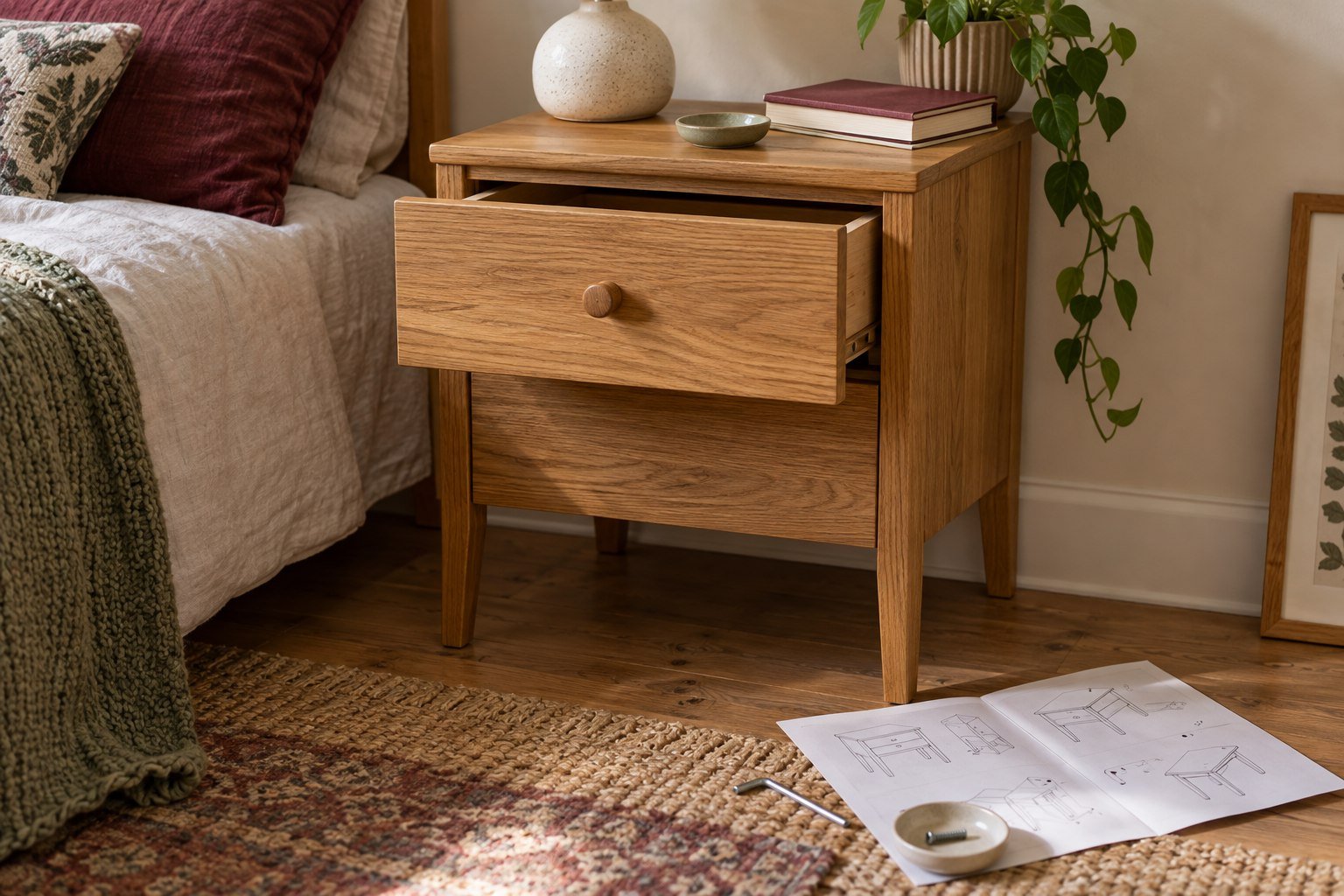
Have you ever made a recipe from scratch and, after one successful attempt, quietly decided you might actually be an excellent cook? Or watched your dad assemble a piece of furniture and admire it for months as though he cut the wood himself and is now the best carpenter in town?
There’s a strange little pride that comes with making something yourself.
And apparently, psychology has a name for it.
Before I tell you what it is, let’s talk about the five-minute Starbucks order.
Two pumps caramel. One pump vanilla. Extra shot. No foam. Light ice. Almond milk. Maybe oat milk. Half sweet. Extra hot. Somehow both decaf and spiritually caffeinated.
By the time the drink reaches the counter, you haven’t just ordered coffee; you’ve practically developed a product. No wonder people proudly announce their coffee orders like they’ve just completed a certification in beverage engineering.
And that feeling — that tiny sense of I made this mine — is exactly where the IKEA effect comes in.
The IKEA effect is the tendency to value something more because we helped create it.
It’s closely related to ownership bias: the tendency to value something more simply because we feel it belongs to us. The two ideas overlap, but they’re not identical. Ownership bias is about possession. The IKEA effect is about participation.
The name, unsurprisingly, comes from IKEA — the company that hands you a flat cardboard box, sixteen screws, and the unreasonable confidence that you can build a bedside table yourself.
And somehow, once you do? That bedside table becomes your bedside table. Never mind that one leg is slightly unstable. You built it. Therefore, it is perfect.
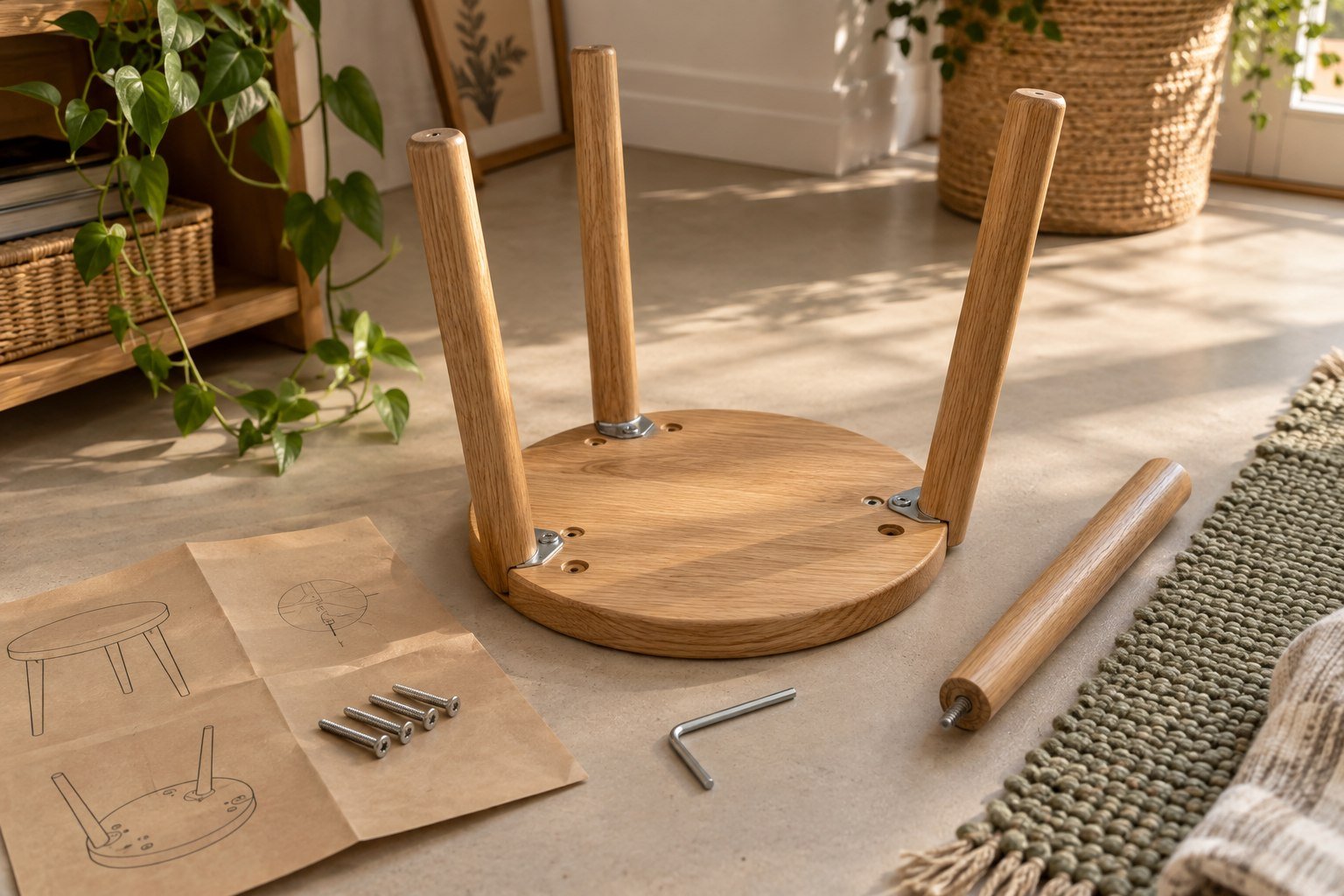
The interesting part is that this effect doesn’t necessarily require us to create something from scratch. Sometimes, all we need is the feeling of contribution.
Think of build-your-own meals, customised shoes or even personalised skincare. The company does most of the work. You make a few decisions. And suddenly, the finished product feels more personal.
That’s the clever part. The trick isn’t to make the customer work hard. It’s to create the feeling of authorship without giving them actual complexity. Nobody wants to walk into Starbucks and roast the beans. But choosing the syrup, milk and number of espresso shots? Just enough involvement to make you think, This drink is so me.
And companies understand this very well. When consumers participate in creating the end product, even in a small way, they can become more attached to it — and sometimes more willing to pay for it.
But there is also a slightly less flattering side to the IKEA effect. Once we’ve invested effort into something, we can become unusually protective of it.
Which explains why constructive criticism suddenly feels much more offensive when it’s directed at something we made ourselves. Tell me a restaurant’s pasta is average and I’ll probably agree with you. Tell me the pasta I spent forty-five minutes making is average? Interesting. Please leave my house.
Because effort quietly becomes part of how we calculate value. The more of ourselves we put into something, the harder it becomes to evaluate it objectively.
And once you start noticing the IKEA effect, you see it everywhere. The playlist you curated for three hours. The Canva invitation you insist looks better than the professionally designed template. The business idea you’ve spent weeks developing and therefore cannot accept might need changing so on and so forth.
Maybe we don’t always love these things because they’re objectively better.
Maybe sometimes it’s because there’s a tiny piece of us inside them.